
Mastering the Art of Adaptability: Turning Setbacks Into Growth
Change is no longer the exception but the rule. Careers today don’t follow a linear path; they twist, turn, stall, and restart in ways that can feel unsettling. This article explores how the very setbacks we dread often carry the seeds of our greatest growth only, if we choose to face them with openness and intent.
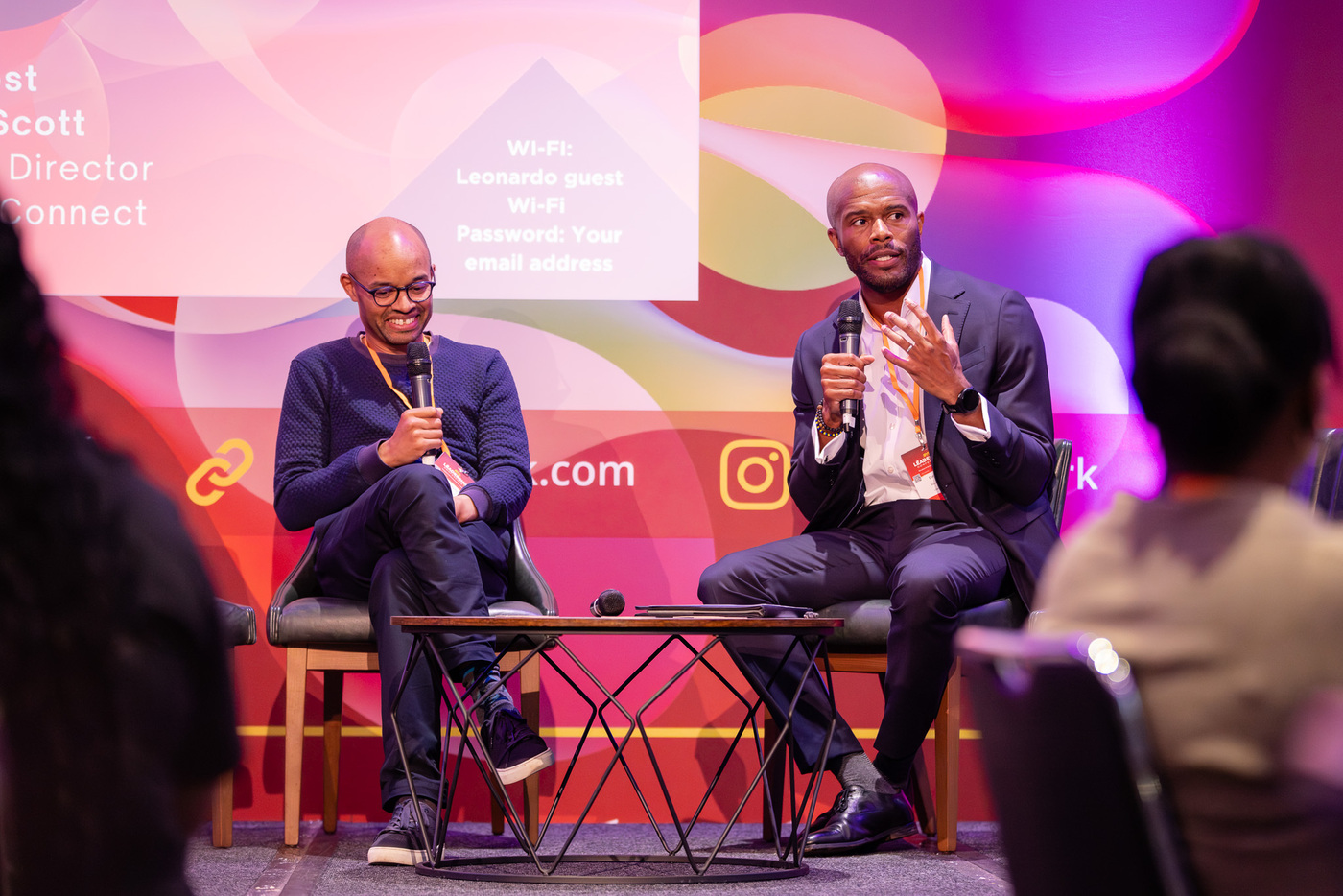
This conversation, led by Tom Adeyoola (Executive Chair at Innovate UK) and Dom Scott (Managing Director at Lifetime Connect), cut through the surface-level chatter about “resilience” and showed what adaptability truly looks like when a career feels uncertain, or even broken. This panel wasn’t about theory, it was a lived experience, shared with refreshing honesty.
Adaptability Begins With Mindset
The first thought provoking truth was: adaptability is not about clinging to a job title or industry label. It’s about how you see yourself. Tom puts it plainly:
"I'm a problem solver and that's what I bring."
That shift from what you do to what value you bring, is powerful. If you see yourself as tied to an industry, your options shrink when disruption hits. But if you position yourself as someone who can solve problems, new doors open.
As a problem solver you build reputations, networks, and opportunities that outlive job descriptions.
Dom built on this by reminding us of the importance of values. When the world feels unstable, your values become your compass. Hard work, integrity, collaboration and whatever anchors you; those principles help you filter decisions and choose growth over fear.
Redefining Setbacks
One of the most powerful ideas from the panel was the need to treat both success and failure with balance. As one speaker explained through a famous poem, triumph and disaster are both impostors and neither should define you.
Why? Because setbacks are rarely the end of the road. More often, they’re invitations to learn, pivot, and expand. Emotional reactions are natural, but adaptability requires stepping back, assessing risks, and asking: what’s within my control? That’s where growth begins.
The Power of Stepping In
Adaptability isn’t passive. It’s not about waiting for life to happen and simply surviving. It’s about actively stepping forward when others hesitate. Tom captured this perfectly:
"When you take a step back and say oh nobody else is doing it... Actually there is more opportunity to step into that role..."
That insight flips the script on setbacks. Where others see obstacles, adaptable people see openings. When you’re willing to step into spaces that feel uncomfortable, you often discover your most defining opportunities.
This approach has a compounding effect: the more often you practice it, the more confidence you build to trust yourself in uncertain terrain.
Practical Tools for Building Adaptability
The conversation wasn’t just inspiring, it was pragmatic, offering a toolkit for anyone navigating change.
-
Surface problems quickly. Don’t wait for issues to grow bigger. By naming challenges early, you give yourself time and space to solve them.
-
Step into gaps. Where no one else is taking ownership, there’s often a hidden opportunity. Taking courage to act in such situations can fast-track your growth.
-
Stay teachable. As Dom said, adaptability thrives in humility. Seek spaces that stretch you and remind you that there’s always more to learn.
- Trust your core skills. Even in uncertainty, your abilities are transferable. Back yourself enough to take leaps of faith.
Each of these practices builds not just resilience, but momentum, the kind that keeps you moving forward no matter the challenge.
These are just snapshots of a much richer conversation. To dive deeper into how Tom and Dom unpacked adaptability with real-life stories and lessons, [watch the full panel here].
From Challenge to Opportunity
Perhaps the most energising takeaway was the panelists’ reframing of adversity. Challenges aren’t setbacks to endure. They are experiences that sharpen leadership, creativity, and courage.
One speaker shared how being thrust into a difficult project unlocked unexpected leadership skills. Another spoke about the necessity of humility, of asking, how can I remain teachable? Both stories pointed to the same truth: growth often comes from discomfort, not ease.
And that’s the heart of adaptability not fearing the storm, but learning how to overcome it.
Why This Matters for Our Community
For Black professionals, the conversation on adaptability carries added weight. Systemic barriers, bias, and unequal opportunities mean that setbacks can hit harder and feel more isolating. But adaptability, grounded in problem-solving, values, and community, can be a game-changer.
It allows us to turn “closed doors” into moments of redirection, to transform rejection into reinvention, and to shape careers that don’t just survive disruption but thrive because of it.
The panel wasn’t about sugarcoating the journey. It was about giving us the tools and mindset to walk it with clarity, courage, and conviction.
Closing Reflection
Adaptability is not about avoiding failure or chasing constant success. It’s about balance, values, and the courage to step into spaces others overlook. It’s about being a problem solver in a world full of challenges.
As one speaker reminded us, opportunity often lives where nobody else is looking. The question is: will you have the courage to step in?
