
Do You Want to Be a Founder? The Truth Behind Entrepreneurship
We live in an age where “entrepreneurship” often gets dressed up in glossy headlines from filtered Instagram reels to overnight success stories, million-pound valuations, and founders living their “best life.” But behind the curtain lies a different truth: the grind, the failures, the risks, and the resilience it takes to build something that lasts.
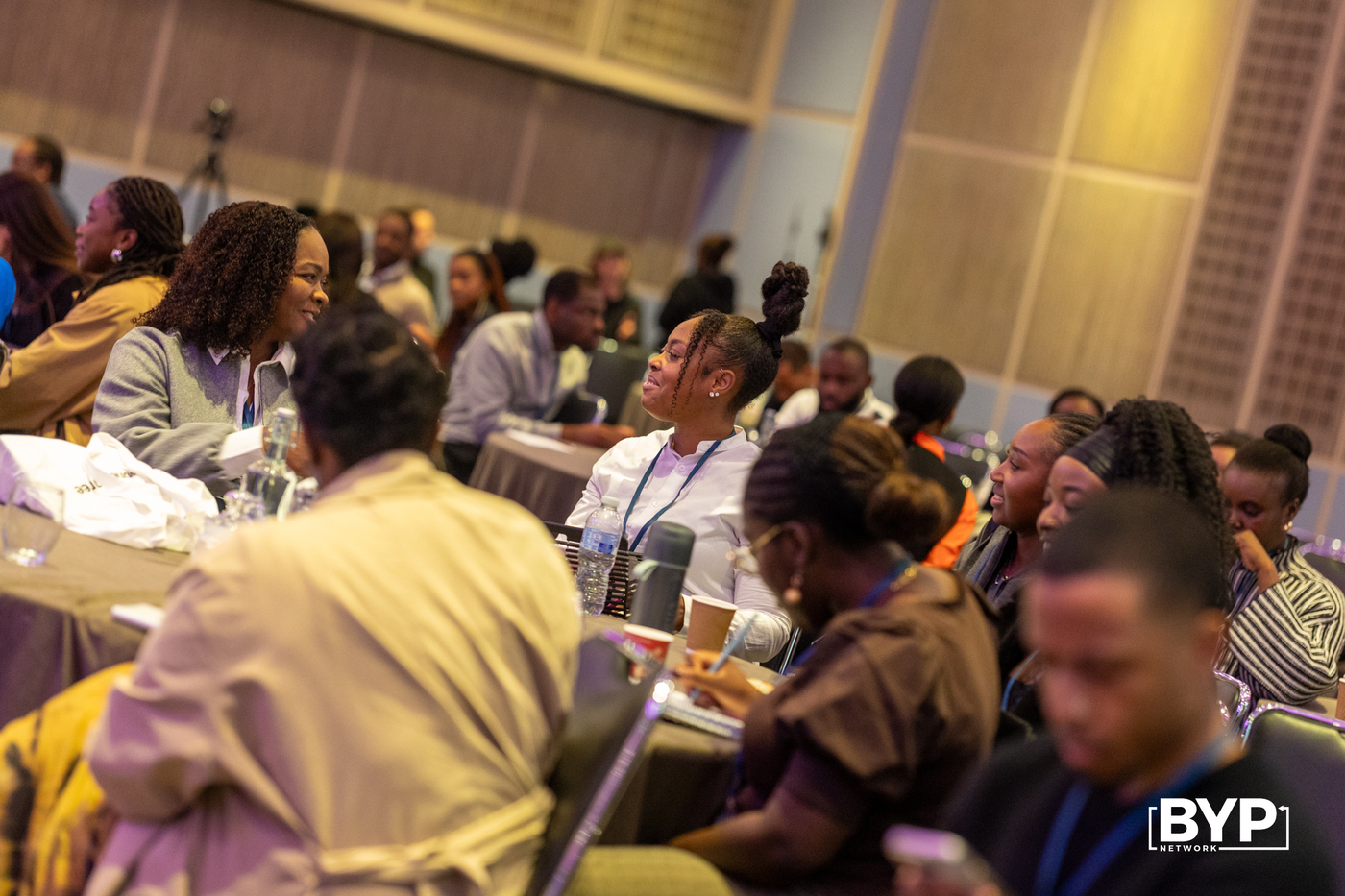
At this year’s BYP Leadership Conference, the panel “So You Want to Be a Founder? The Truth Behind Entrepreneurship” cut through the noise. Guided by host Abadesi Osunsade (Founder & CEO, Hustle Crew), and featuring Akil Benjamin (Managing Director, DOES) and Atinuke Awe (Co-founder, Five X More CIC), the discussion pulled no punches. What emerged was not just a checklist for entrepreneurship, but a raw, honest truth of what it really takes to step into the founder’s arena.
Why Start at All?
Every founder begins with a spark, but those sparks are rarely the same.
For Atinuke Awe, motherhood shifted everything. After her own traumatic childbirth experience and hearing too many similar stories from Black women, she realised she couldn’t return to a “traditional job.” Instead, she channelled her energy into building Five X More, a movement dedicated to tackling Black maternal health disparities. “It was a divine calling,” she said. “I felt I had no choice but to act.”
For Akil Benjamin, the motivation was different and refreshingly candid. “I was chronically late,” he admitted. “I didn’t fit into corporate structures.” For him, entrepreneurship was a survival strategy, a way to escape a system that wasn’t designed for him. Starting early allowed him to “get failure years out of the way” before life’s responsibilities piled up.
The lesson? There is no single reason to start. But whatever pushes you into the founder’s path, whether purpose, frustration, or sheer survival; it must be strong enough to sustain you when the glitter fades and the grind begins.
Failure: Not If, But When
Failure isn’t just part of entrepreneurship, it’s guaranteed. The question is: how do you respond?
Akil shared a searing example. A data protection breach in his business cost him a £250,000 contract. The fallout was brutal: redundancies, financial strain, and years of recovery.
“You need a vengeance in your heart,” he said. Not vengeance against others, but against giving up. He framed entrepreneurship as a competition with yourself, the grit to come back stronger after every fall.
This echoed across the panel: founders must build resilience muscles. Not everything will work. In fact, most things won’t. The difference between those who survive and those who fade is the ability to learn, pivot, and keep moving.
Leading Yourself First
One myth about entrepreneurship is that it’s all about leading others. In reality, the first and hardest person you need to lead is yourself.
Akil admitted that at one point, he was stretched too thin. His programmes weren’t landing, and engagement dropped. His response? Brutal self-honesty. A time audit revealed wasted hours and misplaced priorities. He cancelled underperforming events, restructured his focus, and hired specialists where he lacked expertise.
His takeaway: Grace! Founders must learn to lead themselves with discipline, but also compassion. Setbacks are inevitable but what matters is how you re-centre and reset.
Your Dream Is Too Big for One Person
Every founder dreams of building a team that shares their vision. However, building the right team takes patience and courage. It requires:
- Hire slowly, don’t rush just to fill a gap.
- Fire fast, a bad fit drains energy and resources.
- Not hiring your friends, proximity isn’t the same as capability.
- Delegating and trust, micromanagement kills motivation.
- Communicating the plan, your vision isn’t enough; your team needs clarity.
The hard truth? Founders who cling to everything quickly burn out. The strongest leaders know when to let go.
Storytelling and Being Loud
Entrepreneurship isn’t just about building products; it’s about building narratives.
Atinuke spoke passionately about storytelling, not as a marketing gimmick, but as a lifeline. Her story as a Black mother turned activist-entrepreneur resonates because it’s real. It gives her work gravity.
“Be loud about your impact,” she urged. “It’s not bragging if it’s true.” In a world where visibility is currency, silence can kill momentum. Founders must learn not only to solve problems, but to tell stories that inspire others to believe in their solutions.
The Founder’s Silent Battle: Mental Health
Perhaps the most sobering insight came from Akil’s recent survey of entrepreneurs, where he discovered that:
- 95% face a mental health challenge every month.
- 70% say poor mental health directly harms their business.
- 80% are worried about money.
Behind the hustle culture lies an epidemic of stress, anxiety, and burnout.
Akil’s advice was disarmingly simple: Prioritise your mental health and focus on sales. Without both, your business has no foundation.
This part of the conversation struck a chord with many in the audience. If you want to hear Akil, Atinuke, and Abadesi speak candidly about the highs, lows, and everything in between, [watch the full panel talk here.]
Entrepreneurship Is Not the Destination
So, do you still want to be a founder?
This panel didn’t romanticise the journey and that was its power. Entrepreneurship is less about chasing glory and more about mastering resilience, building with purpose, and telling your story with conviction. It is about surviving the failures, finding strength in your community, and remembering that your venture is only as strong as your wellbeing.
Atinuke showed how purpose can be the fuel that keeps you moving. Akil’s journey revealed that failure, though painful, is often the force that shapes resilience. And through Abadesi, we saw the power of community as the anchor that sustains founders when the road gets tough.
For every aspiring founder reading this: the leap is yours to take. Just know that when the spotlight fades, it’s the quiet work, the resilience, the vision, and the care for yourself and your people that truly builds lasting impact.
To gain more insights on this conversation, watch the full video here.
