
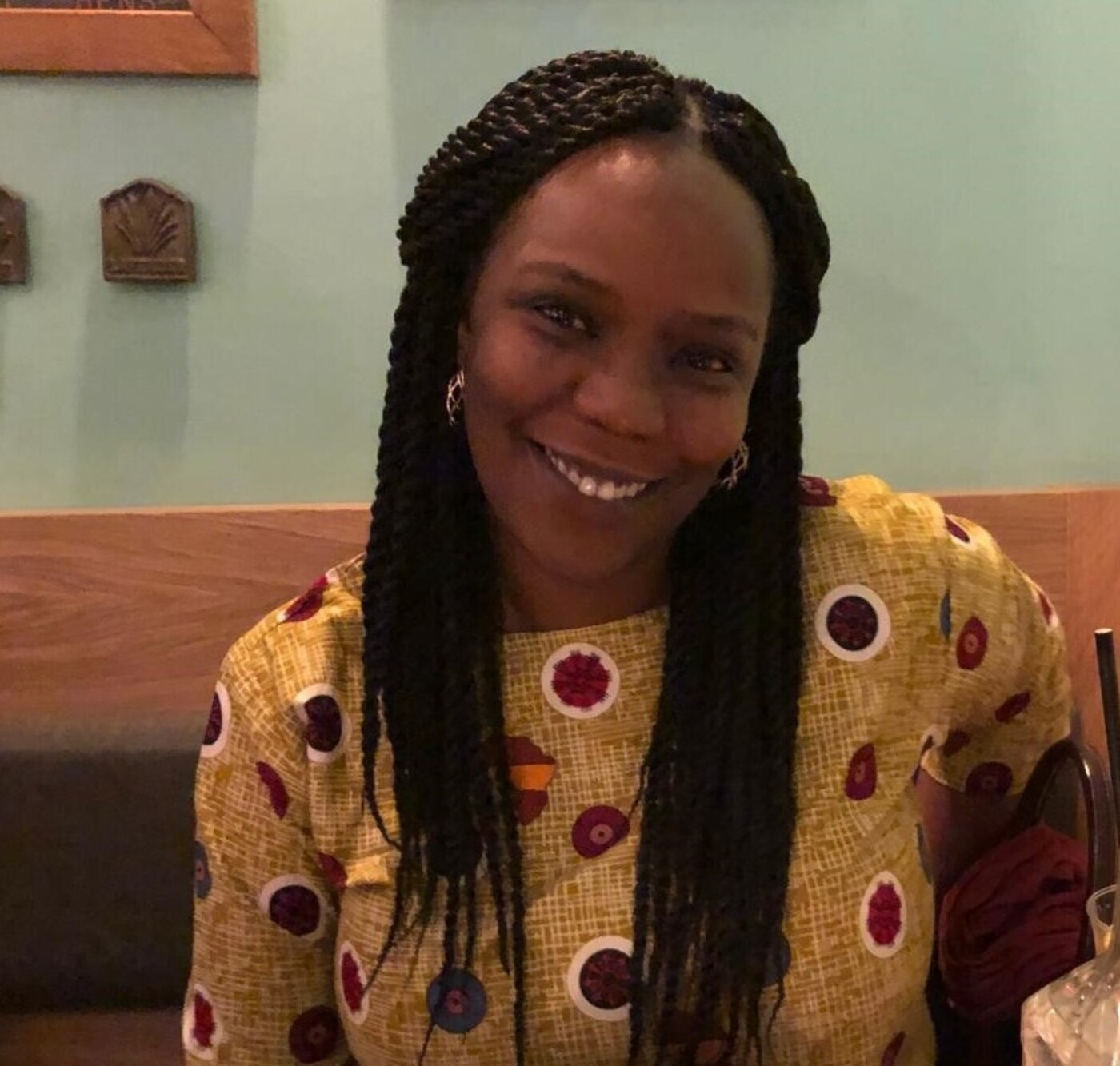
Spotlight on Leadership: How Veronica Kakuba Keeps The O2’s Biggest Shows Running
Meet Veronica
Veronica Kakuba is a ticketing professional with over 20 years of experience in the events industry. She is currently the Head of Event Ticketing Operations at The O2, the world’s busiest arena, where she oversees the planning and execution of ticketing strategies for a wide range of major events. Her work plays a key role in delivering smooth operations and unforgettable experiences for fans.
Veronica is an active member of AEG’s embRACE employee network, which champions diversity and inclusion across the company. She also serves as an elected Council Member of the Society of Ticket Agents and Retailers (STAR), the UK’s self-regulatory body for the ticketing industry, reflecting her commitment to upholding standards and promoting best practices.
Outside of work, Veronica has a lifelong love of music and enjoys travelling — passions that bring joy and inspiration to her everyday life.
Hi Veronica, can you walk us through your role at AEG and what a typical day looks like for you?
I’m the Head of Event Ticketing Operations at The O2, and honestly – no two days are ever the same. I usually start the week with a to-do list, but by Friday, it’s rare that everything’s been ticked off – and that’s just part of the job in live events.
I manage a team of nine fantastic people who work incredibly hard. I keep a wide overview of everything happening across all our events, but I trust my team completely to run things day-to-day and deliver successful shows – they’re brilliant at what they do.
A big part of my role is sitting in meetings to make sure we’re constantly improving how we work and how the department evolves. It’s very much the behind-the-scenes part of the industry – not the glamorous side, not the parties or the spotlight – but it’s where I thrive.
And truthfully, I’d always rather the recognition go to my team. They’re the ones making things happen on the ground, and they deserve every bit of credit.
What inspired your career path into the live entertainment and sports industry and what has continued to motivate you?
I’ve always been a huge music fan, so I knew I wanted to work in the industry somehow – I just didn’t know exactly what that would look like. Ticketing wasn’t part of the original plan (and honestly, I’ve never met anyone in ticketing who did plan for it!). Most of us fall into it because we just want to be around live shows – maybe you help out at the box office, or work a guest list just to get into a gig, and before you know it, you’re in.
For me, it started with a bar job at Oceans Music Venue in Hackney, then I moved into the Shepherd’s Bush Empire box office, and eventually joined The O2 – also starting in the box office. Over the years, I’ve worked my way up to where I am now.
What’s kept me going is the people. Every venue I’ve worked at, I’ve met some of the most amazing people – many of them have become lifelong friends. That sense of community, and the shared love for live events, is what makes this industry so special.
What are some of the most notable challenges you’ve faced in your career and how did you overcome them?
The one that stands out immediately is the pandemic. The live entertainment industry came to a complete stop, and like so many others, our team was put on furlough – but I continued working throughout. It was an uncertain and tough time. No one knew what the future looked like, and honestly, it was scary.
To make things harder, my manager – someone I looked up to a lot – left the company during that time. I was handed the baton, but I didn’t feel ready to run the next leg of the race. It was overwhelming, and there were moments when I genuinely doubted myself.
What helped me through was staying connected with my team, even while they were furloughed. I made it a point to keep checking in, updating them on any news, and making sure they still felt part of things. Behind the scenes, we were constantly planning what the return to live events would even look like – rethinking systems, reworking timelines, and preparing for a very different landscape.
Looking back now – five years on – the industry has come back stronger than ever, and that period remains the most defining moment of my career. It tested me in ways I wasn’t prepared for, but it also showed me what I was capable of.
How has mentorship shaped your professional journey and what advice would you give to those looking to advance in their careers?
I’m lucky to have a strong network of women leaders around me, and I often lean on them for advice and support when I need it. More recently, I took part in a leadership programme where I was assigned a male mentor – someone completely outside of the live entertainment industry. And honestly, he’s been brilliant.
Even without knowing the specifics of my world, he was able to identify my strengths and challenge me in ways that really stuck. One thing he pushed me on was the idea of “peacocking” – showing up, owning my space, and not shying away from recognition. That doesn’t come naturally to many women, and especially not as a Black woman. It’s something I still work on – fighting against internal and external stereotypes – but mentorship has really helped me see my value more clearly.
My advice? Be intentional about who you bring into your network. Seek out people who challenge you, support you, and help you grow – even if they’re not in your industry. The value of mentorship is what you make of it, so lean in and make it count.
In your view, what does effective DEI look like in the entertainment and sports space and how is AEG contributing to that vision?
One of the most exciting parts of working at The O2 is seeing the incredible diversity of talent that comes through the arena. In recent years, we’ve welcomed a growing number of artists across genres – from Latin music to Afrobeats, K-pop, and J-pop – and it’s been amazing to see those fanbases represented in the crowd.
The next step – and something I hope we continue to push for – is making sure that same diversity is reflected behind the scenes, especially in senior leadership roles.
At AEG, we’re taking real steps toward this. We’ve built partnerships with groups like BYP (Black Young Professionals Network), and we have an internal DEI Employee Network Group called embRACE. Its mission is to promote empowerment, recognition, and equal representation for ethnic minorities across all levels of the company – not just at entry level, but all the way up to leadership.
embRACE is driving real, meaningful change across our business – from offering onsite internships at festivals, to championing anonymous recruitment processes, and celebrating cultural events that reflect the richness of our workforce. The group has made great strides in creating a space where everyone feels seen, heard, and valued – and where representation isn’t just a goal, but a standard. Watch the video to see how AEG is building a stronger, more inclusive culture.
What’s one powerful piece of advice that has guided your journey and that you’d pass on to aspiring Black professionals?
I’ve always been a hard worker, and I believe that’s played a big part in getting me to where I am today. I don’t see myself as different – but I’m also not naïve to the fact that others might. I can’t control how people see me or the assumptions they make. Some people have taken a chance on me, and some haven’t – that’s just life.
What I can control is what I bring to the table. I show up, do the work, and back myself to be as good as I know I am. Whether the impact I make is big or small, I just want it to matter – and to hopefully open the door a little wider for the next person coming through.
