
Unlocking Diverse Talent: Behind the Scenes of Psychometrics at the Black Young Professionals (BYP) Leadership Conference 2023
Understanding SHL and Its Vision:
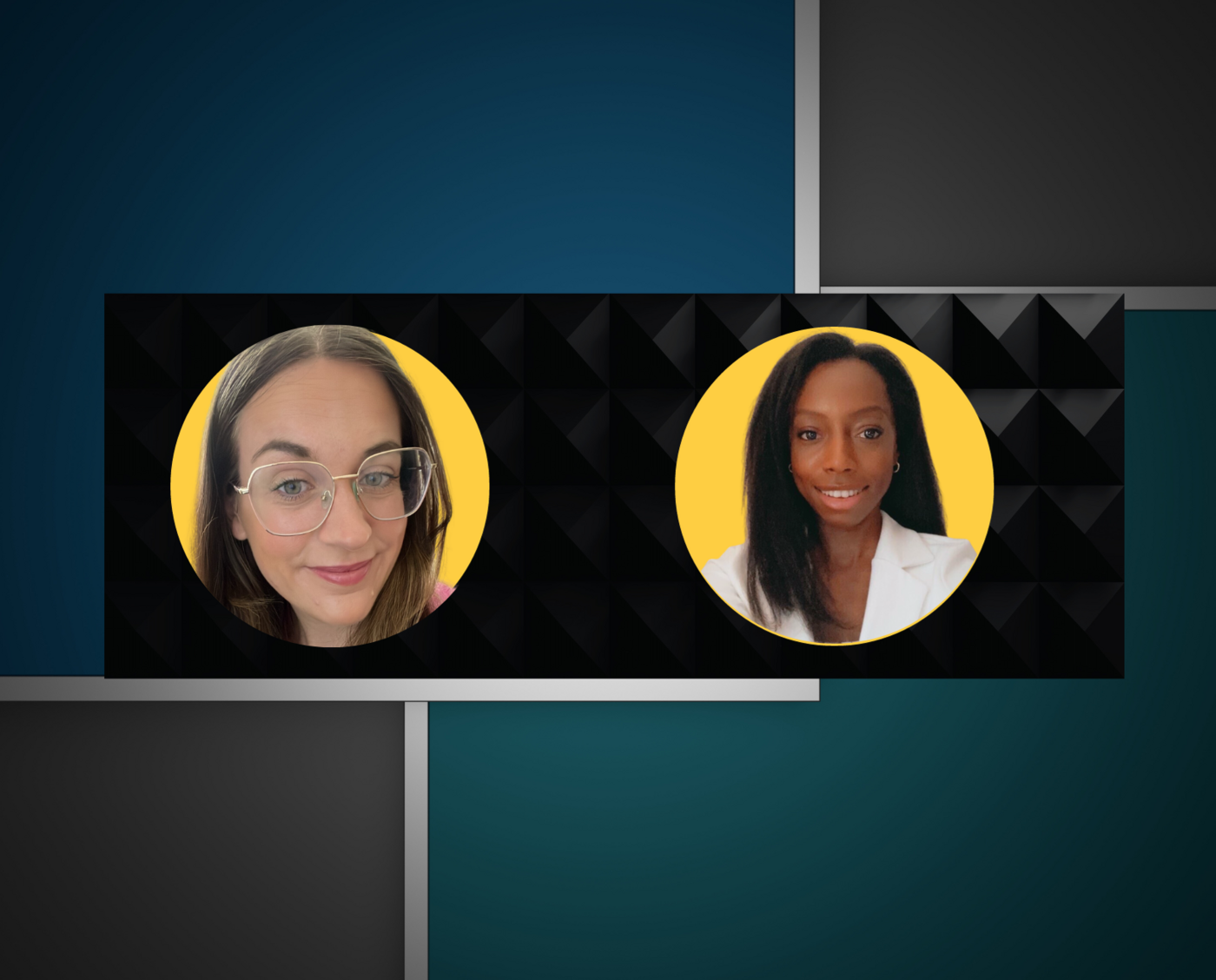
Estelle, one of the senior consultants and scientists at SHL, kicked off the session by introducing the organisation and its vision for the talent assessment industry. SHL is dedicated to helping organisations identify and grow their talents, recognising the profound impact that career opportunities have on individuals' lives and future generations. Their mission is to make psychometric assessments, often known as psychological assessments, more inclusive and effective.
Demystifying Psychometrics:
One of the primary goals of the session was to demystify psychometrics, as many individuals might harbour misconceptions about these assessments. Lucy, the Director of Diversity and Inclusion at SHL, emphasised the importance of practising what they preach when it comes to recruitment, career progression, and fostering an inclusive culture within the organisation.
Lucy discussed the three pillars of their approach:
- Recruitment: Ensuring inclusive practices in the hiring process.
- Progression: Focusing on diversity in leadership roles.
- Inclusive Culture: Creating a welcoming environment for all employees.
Her insights highlighted the commitment of SHL to address biases and promote inclusivity throughout the talent assessment journey.
Advancements in Psychometrics:
Another crucial aspect discussed was the continuous evolution and improvement of psychometric assessments. SHL has taken significant steps to make its assessments more inclusive and accessible. They have revamped their reports to eliminate gender stereotypes, conducted accessibility audits to ensure candidates with disabilities can use their systems, and embraced innovative technologies such as avatars and gamified assessments. They also aim to represent diverse populations more accurately, challenging stereotypes in assessment scenarios.
Scientific Research Initiatives:
SHL's dedication to research and development was evident as they strive to ensure that their assessments do not unintentionally disadvantage candidates from underrepresented groups. Their research programs encompass a range of topics, including neurodiversity, social mobility, and inclusivity for the deaf community. They also announced their partnership with BYP (Black Young Professionals), launching the Black Heritage Research Program. This program aims to understand the experiences of Black heritage professionals taking SHL assessments and will guide product design and challenge industry norms.
The Black Heritage Research Program:
Estelle elaborated on the Black Heritage Research Program, emphasising its potential to create opportunities and change lives. This program involves research collaborations with academic partners, clients, and Black professionals to gain insights into the experiences of Black heritage individuals taking assessments. The collected data will inform product design and drive change within SHL's assessments. Estelle encouraged participation in this initiative, recognising it as the beginning of a transformative journey.
Understanding the Psychometric Experience:
Estelle then engaged the audience by asking them about their experiences with psychometric assessments. Participants were encouraged to share their feelings and thoughts about taking such assessments. Common emotions included excitement, anxiety, nervousness, and curiosity. This exercise helped shed light on the diverse emotional responses that psychometric assessments can evoke.
Navigating the Assessment Process:
The session also provided practical advice for individuals facing psychometric assessments. Estelle offered three valuable tips:
- Remember that psychometric assessments are not designed to trick you. They are tools to help evaluate your potential more objectively.
- Be authentic in your responses. Answer honestly, as this ensures that the assessment accurately reflects your preferences and behaviours.
- Recognise that psychometric assessments are just one part of the overall selection process. They provide insight, but they do not define your ability to perform in a role.
Conclusion:
In a world where diversity and inclusion are paramount, psychometrics can be a powerful tool for identifying and unlocking diverse talent, paving the way for more equitable and inclusive workplaces. As Estelle said, "It's part of my role to change this, to make sure that our assessments are as inclusive as possible." And through initiatives like the Black Heritage Research Program, organisations like SHL are taking proactive steps to ensure that opportunities are accessible to all, regardless of background or heritage.
