
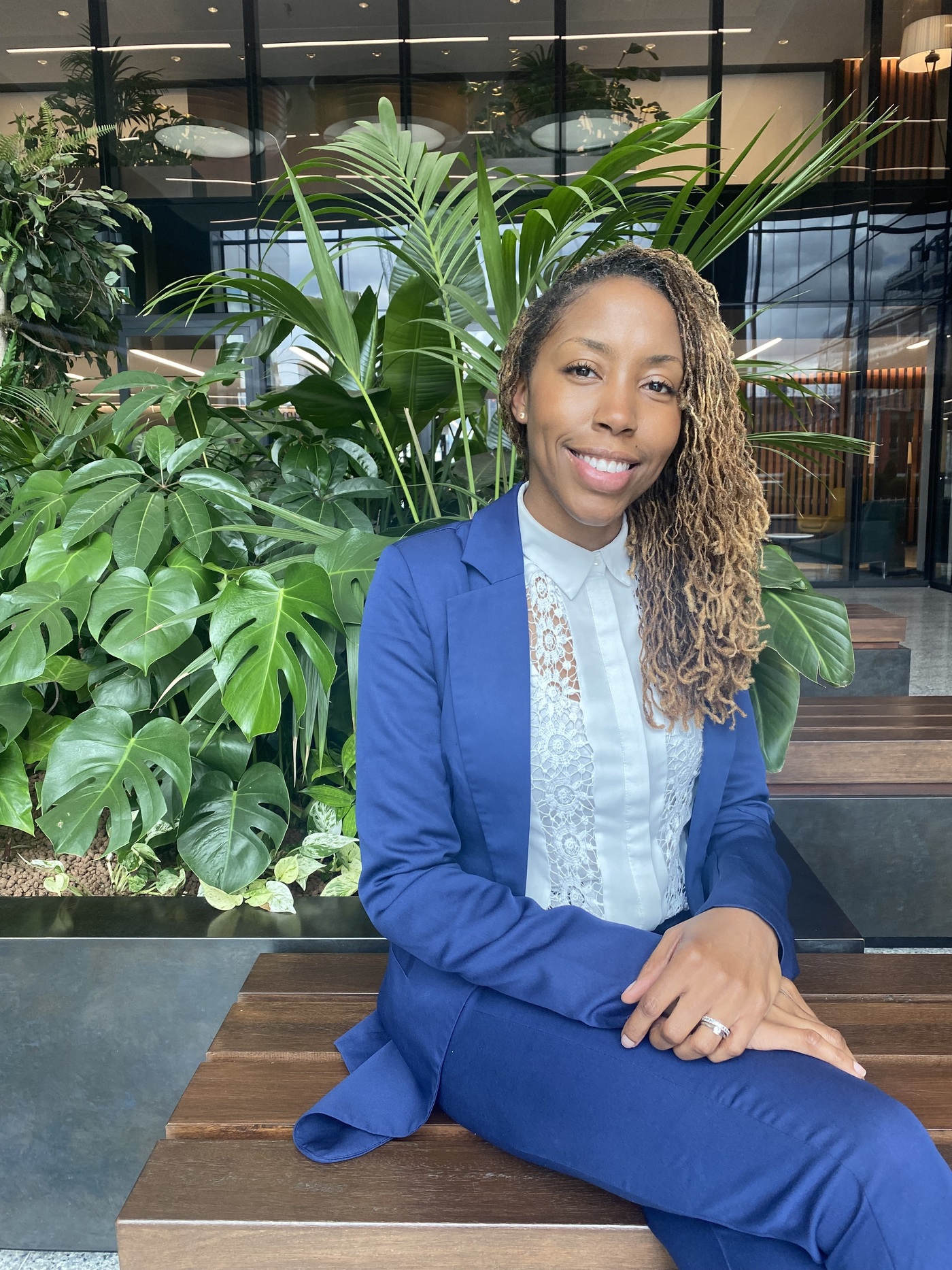
Why Diverse Leadership Matters: The Importance of Black Role Models in Banking
Tell us a bit why you chose your career in the Investment Bank Control Room and what it entails.
My journey into this field was a bit unexpected. I started in law, and initially worked in a law firm while completing my legal practice course. My next step led me to the legal department of an investment bank, where I eventually found my niche in the Control Room. The Control Room works closely with the Investment Bank and has the critical role of managing sales, trading, and research communication restrictions. It is responsible for maintaining information barriers and ensuring compliance with client confidentiality and various securities and bank regulations.
In my role now, I have global managerial responsibilities across EMEA, APAC and the Americas, and oversee all aspects of the Control Room. I am involved in developing control management frameworks around material non-public information, while maintaining Control Room-owned systems – it’s a busy job!
So, if someone wants to follow a similar career path, what advice or personal mantras would you share with them?
My advice is, don’t be tunnel-visioned. You may get to where you’re destined to be a lot quicker. I also have a personal mantra, which is important to me, and that’s ‘protect your peace’. Find one aspect of joy every single day that brings a little lift. For me, it can be as simple as having a smoothie or a walk in the park at lunch – even if it’s only for 10 minutes. Remember, what we’re doing may be important, but we’re not saving lives. Try to carve a healthy work-life balance, as investment banking is rewarding but can also be consuming.
Work-life balance is very important in the workplace, as is diversity, equity and inclusion. How important do you think it is to have Black role models within the workplace?
Balanced representation, especially in leadership roles, is powerful psychology. For me, seeing people from different backgrounds in senior or leadership positions creates a sense of belonging; it truly inspires me! We’ve come a long way, but there’s still quite a way to go in creating a more inclusive corporate environment where everyone feels empowered to excel.
We need to be the change we want to see, and Barack Obama put it perfectly:
“Change will not come if we wait for some other person or some other time. We are the ones we’ve been waiting for. We are the change that we seek.”
What more do you think can be done to help improve barriers to diversity, inclusion and retention of top Black talent in your industry?
I think we need to look at the seeds of the barriers that have been created, and that starts with society. We must address systemic prejudices, and to do that, we need a multi-tiered approach. I think we need to begin with societal perceptions: if we challenge stereotypes and promote diverse narratives, we can shape perceptions of success and talent. As an example, you may see Black people in the media adverts; however, in my view, there is little emphasis on black empowerment in the embodiment of prestigious roles in the UK. This must change to change the perception within society.
Your career path has been quite impressive. When you look back at it, would you do anything differently?
I've learned that it’s important to be adaptable and open to opportunities. While it's natural to desire a clear career path, sometimes not having a plan and embracing flexibility can lead to unexpected growth and progression. If you don’t know from the start where you’re destined to be, that’s ok.
